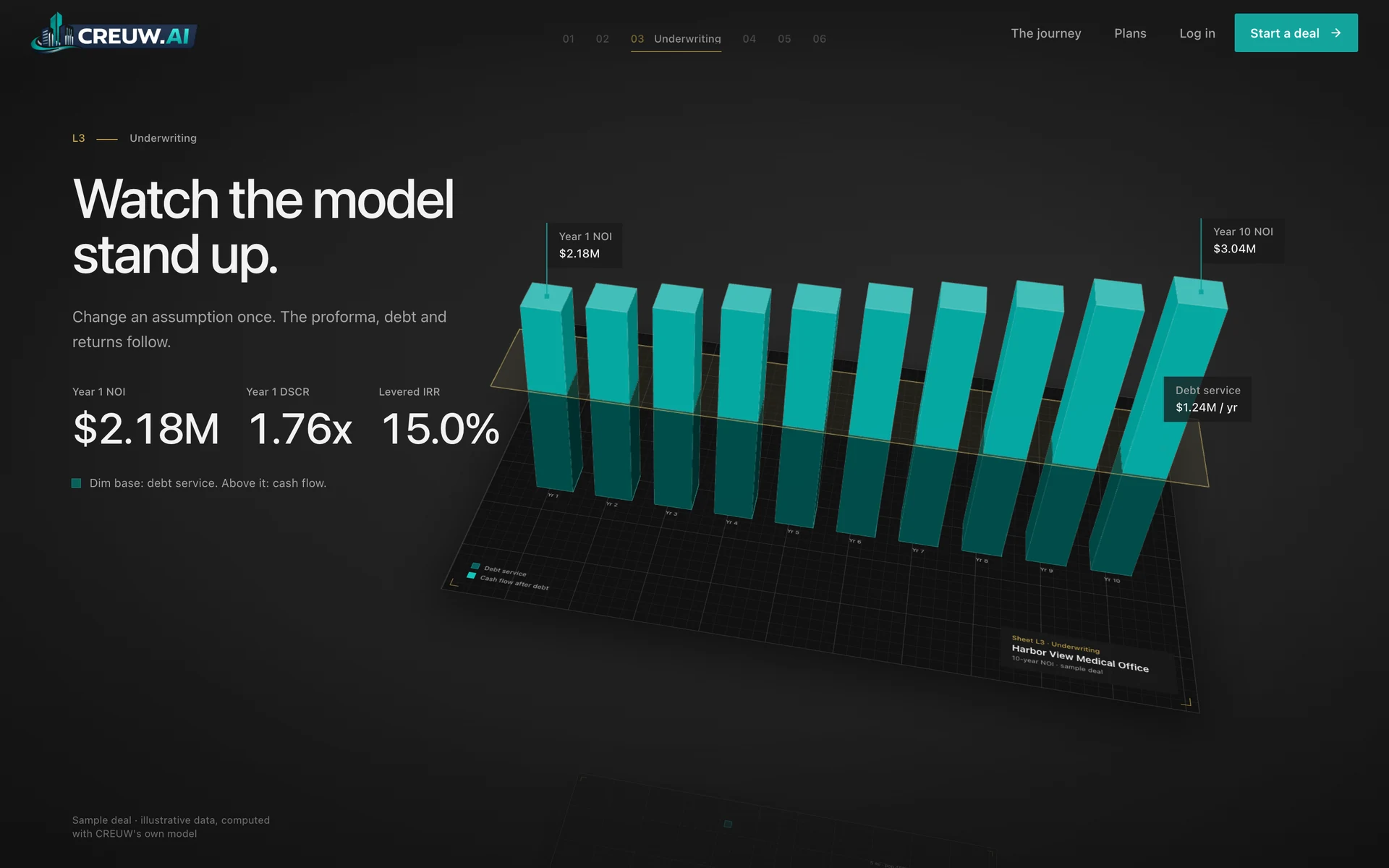
PipelineDealUnderwritingMarketAI analysisIC memo
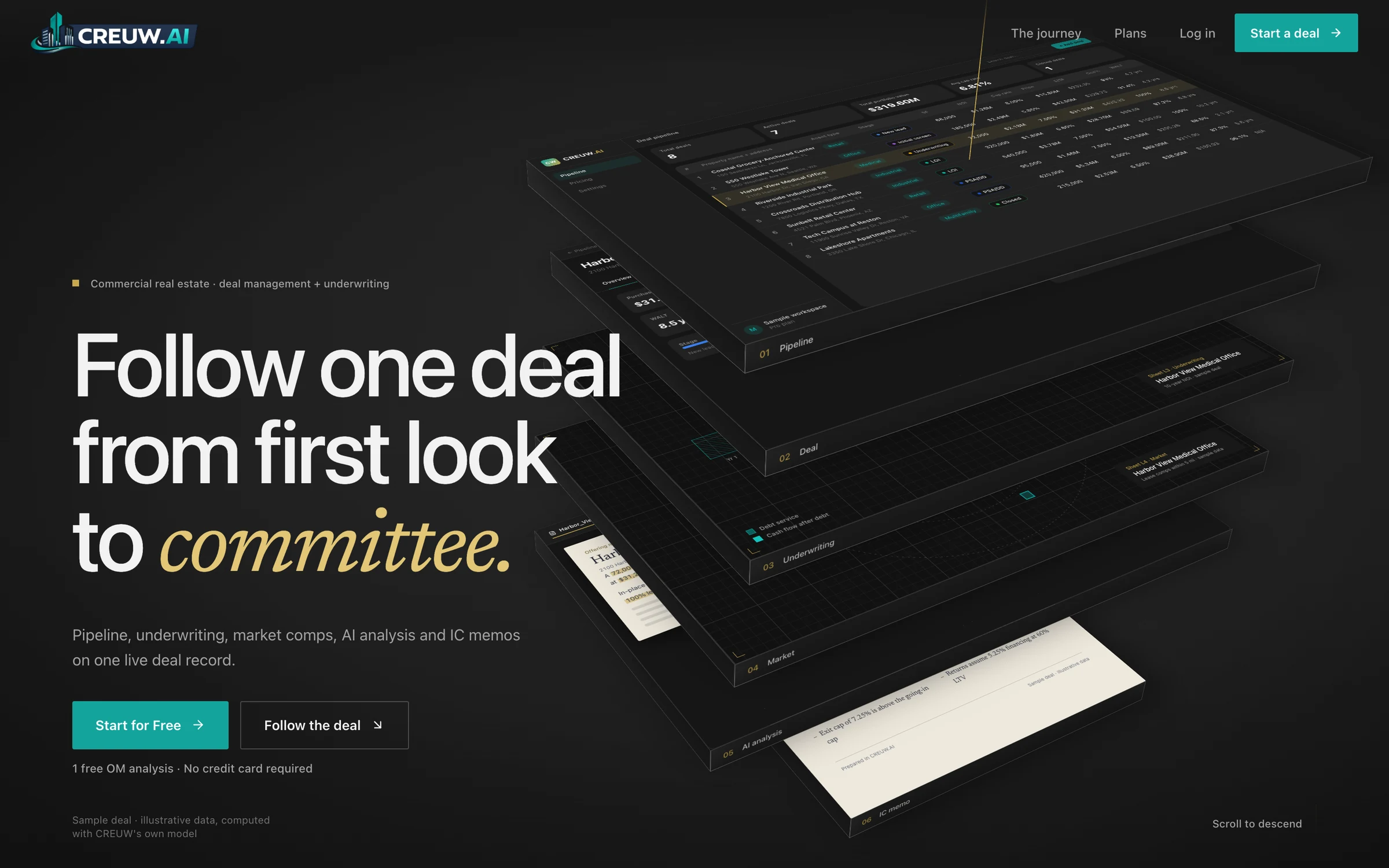
Deal management and underwriting platform
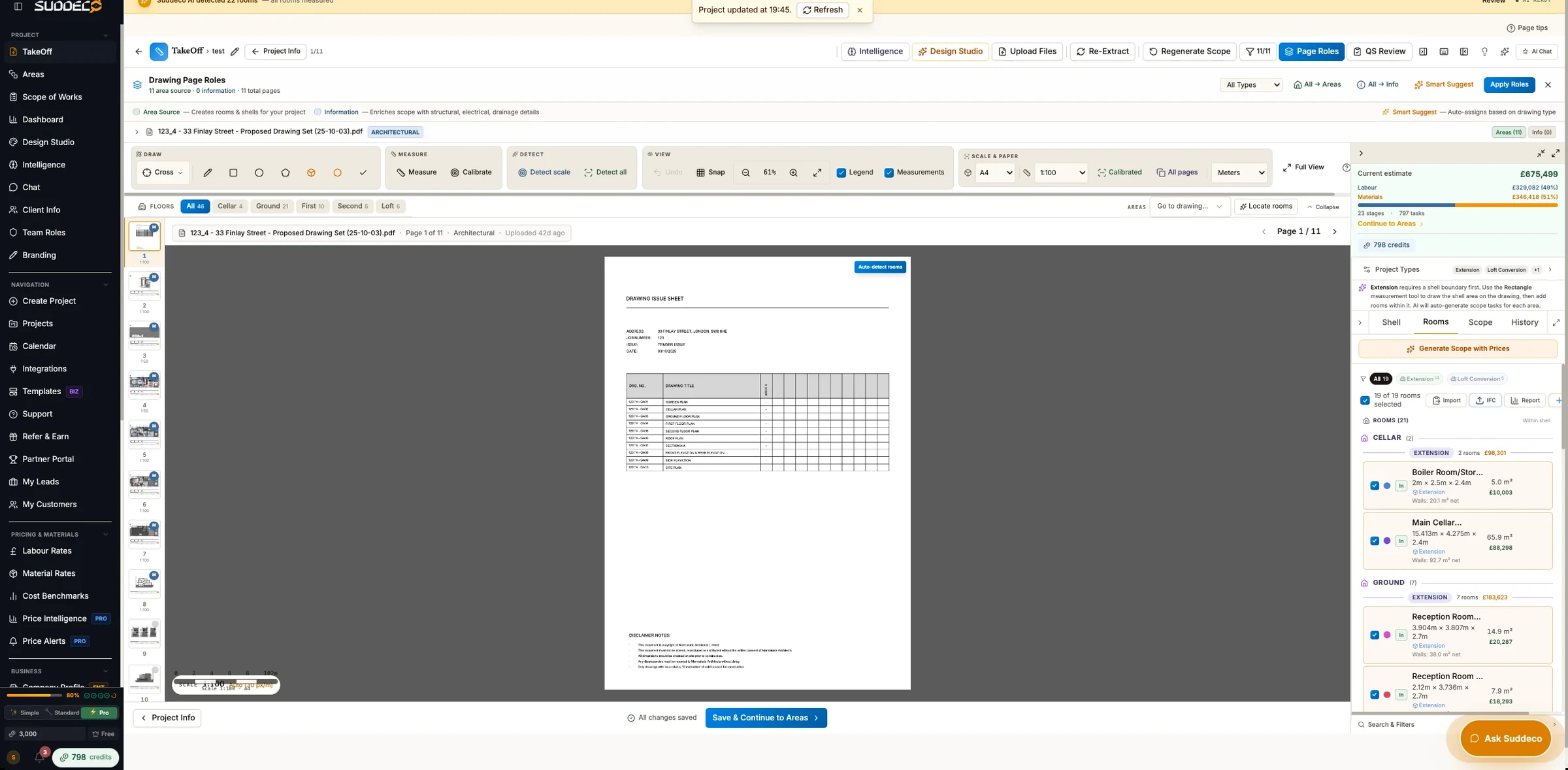
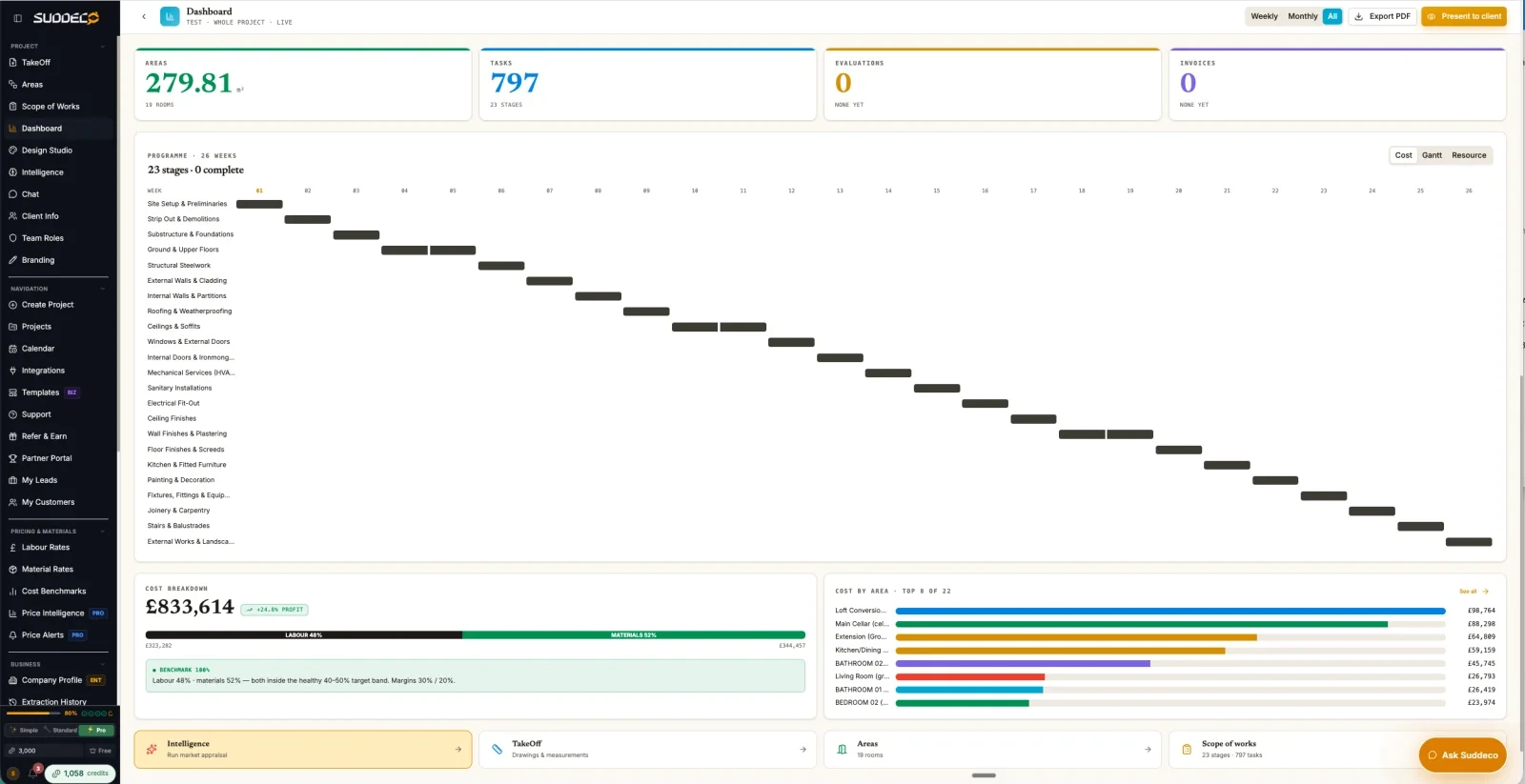
CREUW AI
A commercial real estate platform that follows one deal from first look to investment committee.
A software house of 50+ engineers, designers and AI specialists. We design, build and scale web platforms, mobile apps and intelligent systems.
Engineering
Engineering gives it depth: interface, logic and data, built to hold.
Good software is rarely one skill. It is a designer, an engineer and someone who understands the data, arguing usefully about the same product. That is how SOLOGEN is built: five disciplines, one team, from the first sketch to the version your customers use.
Most products need more than one. Ours sit in the same room, work on the same product and answer to the same deadline.
Web applications, SaaS platforms and the systems behind them, engineered to stay fast and easy to extend.
iOS and Android apps, native or cross-platform, designed for the thumb and built for real devices and real networks.
Copilots, intelligent workflows, document intelligence and prediction, built into real products and measured before they are trusted.
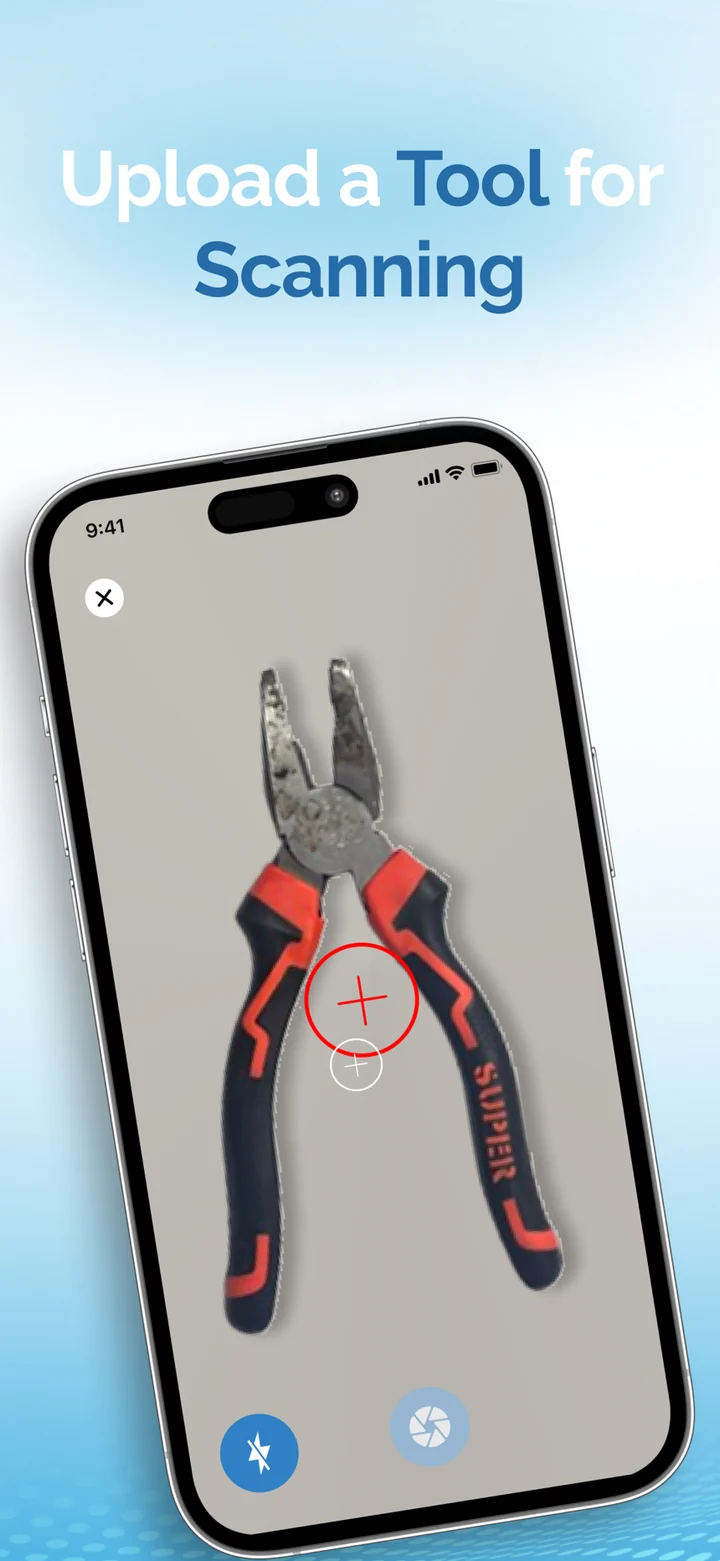
Detection, inspection, measurement and document extraction: systems that turn images into decisions.
Research, flows, prototypes, interfaces and design systems, shaped alongside the engineers who build them.
Not sure which of these fits?Talk to an expert
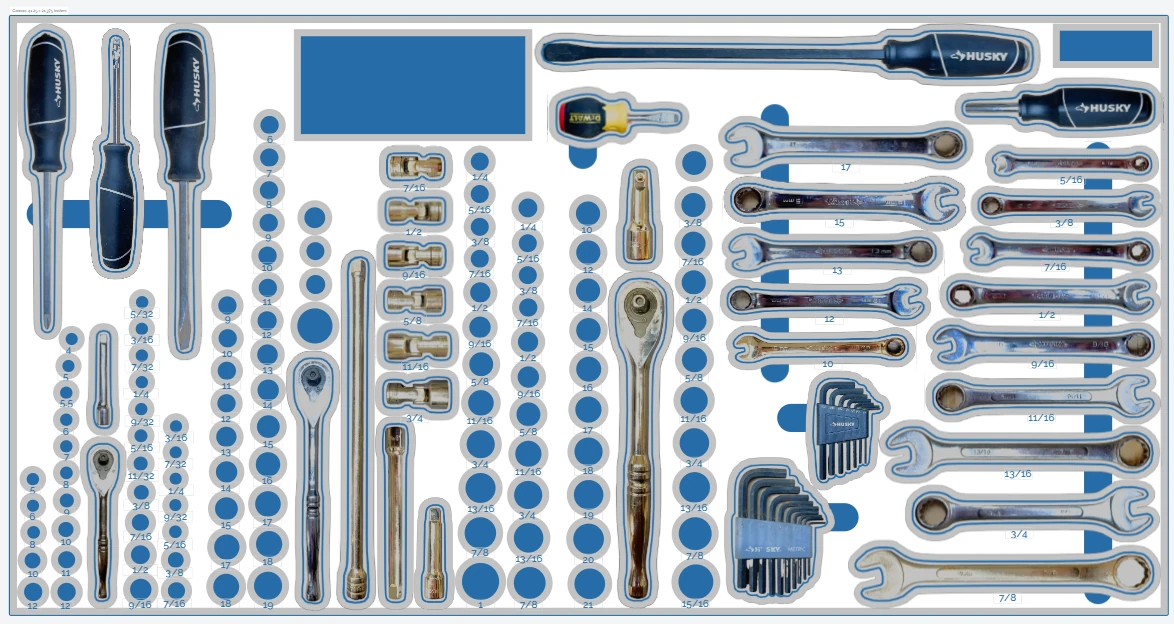
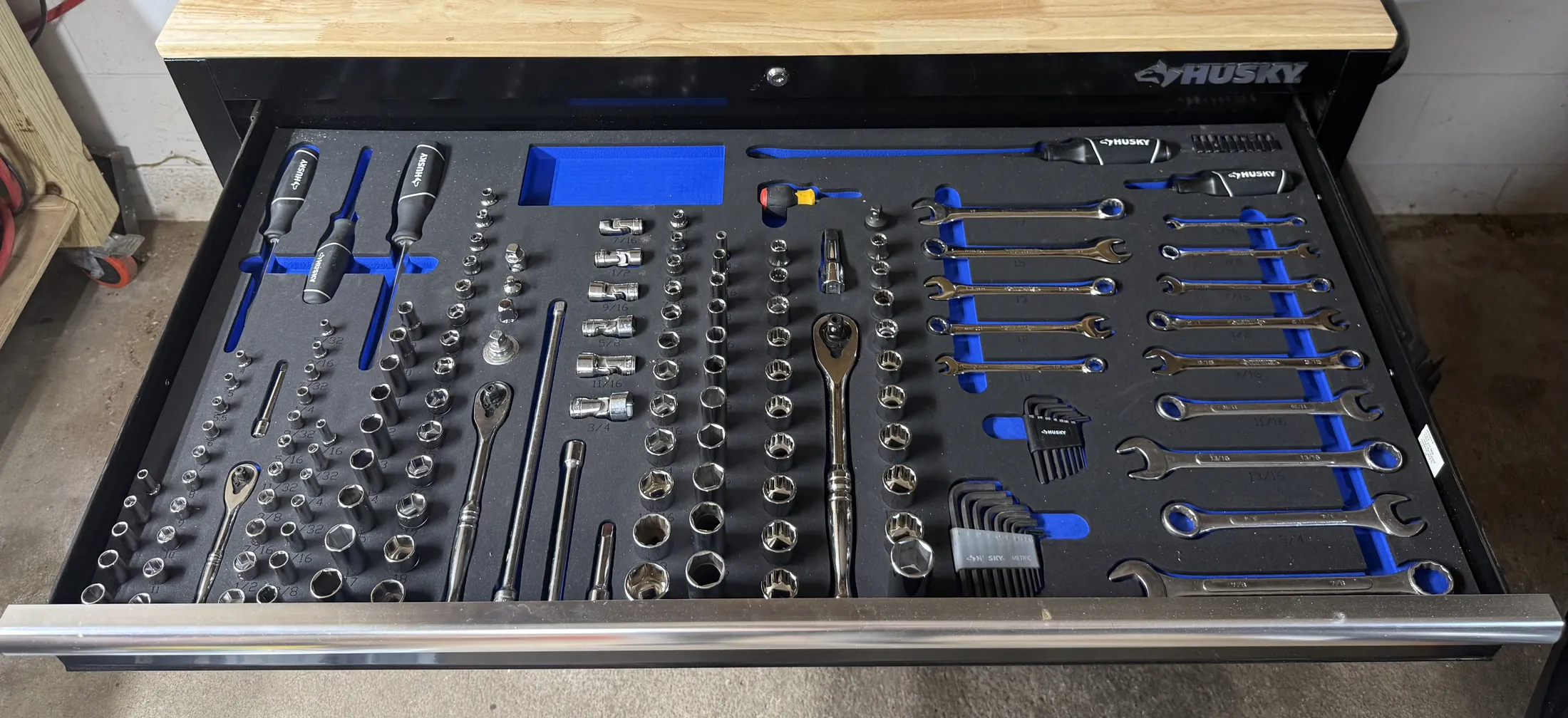
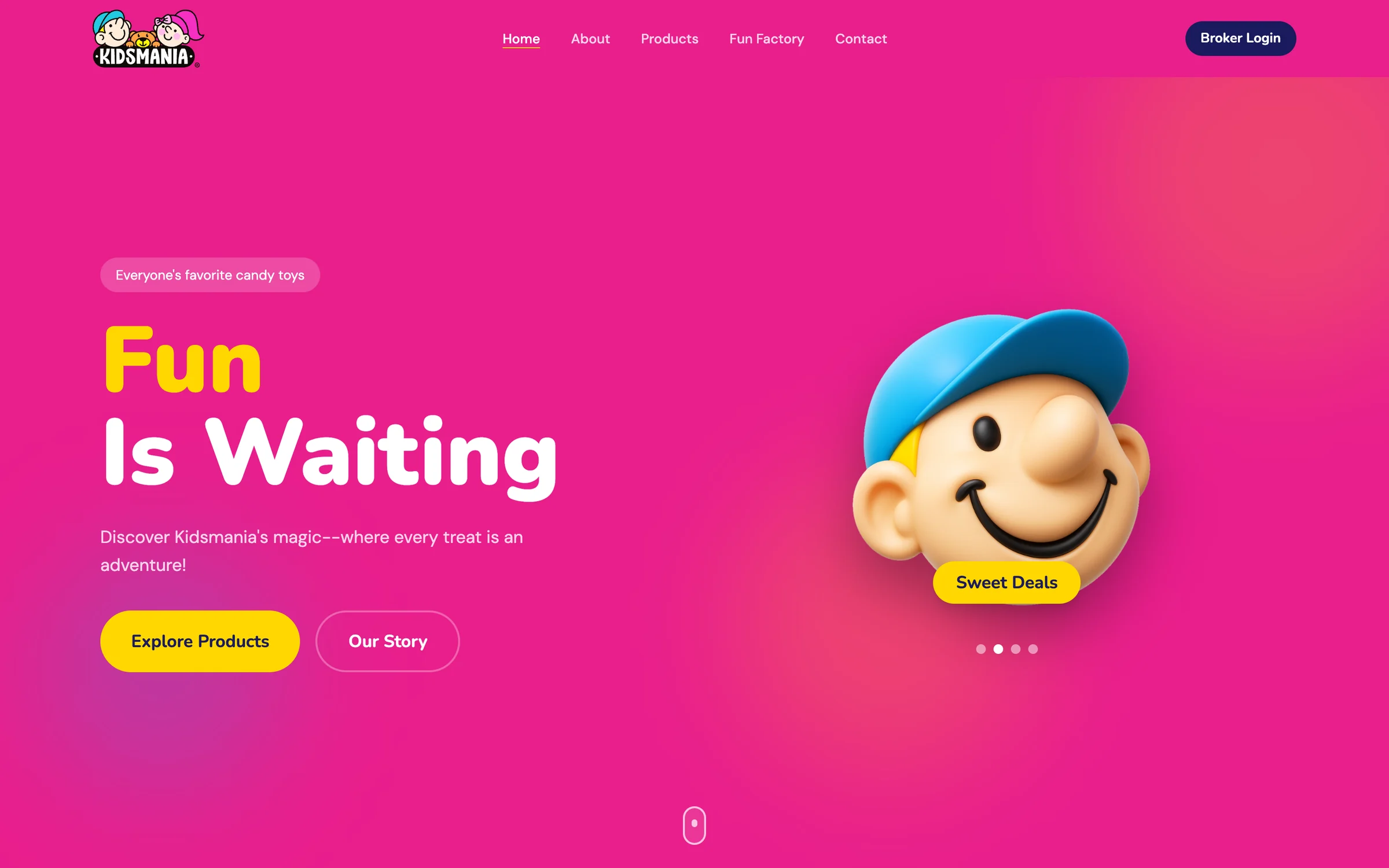
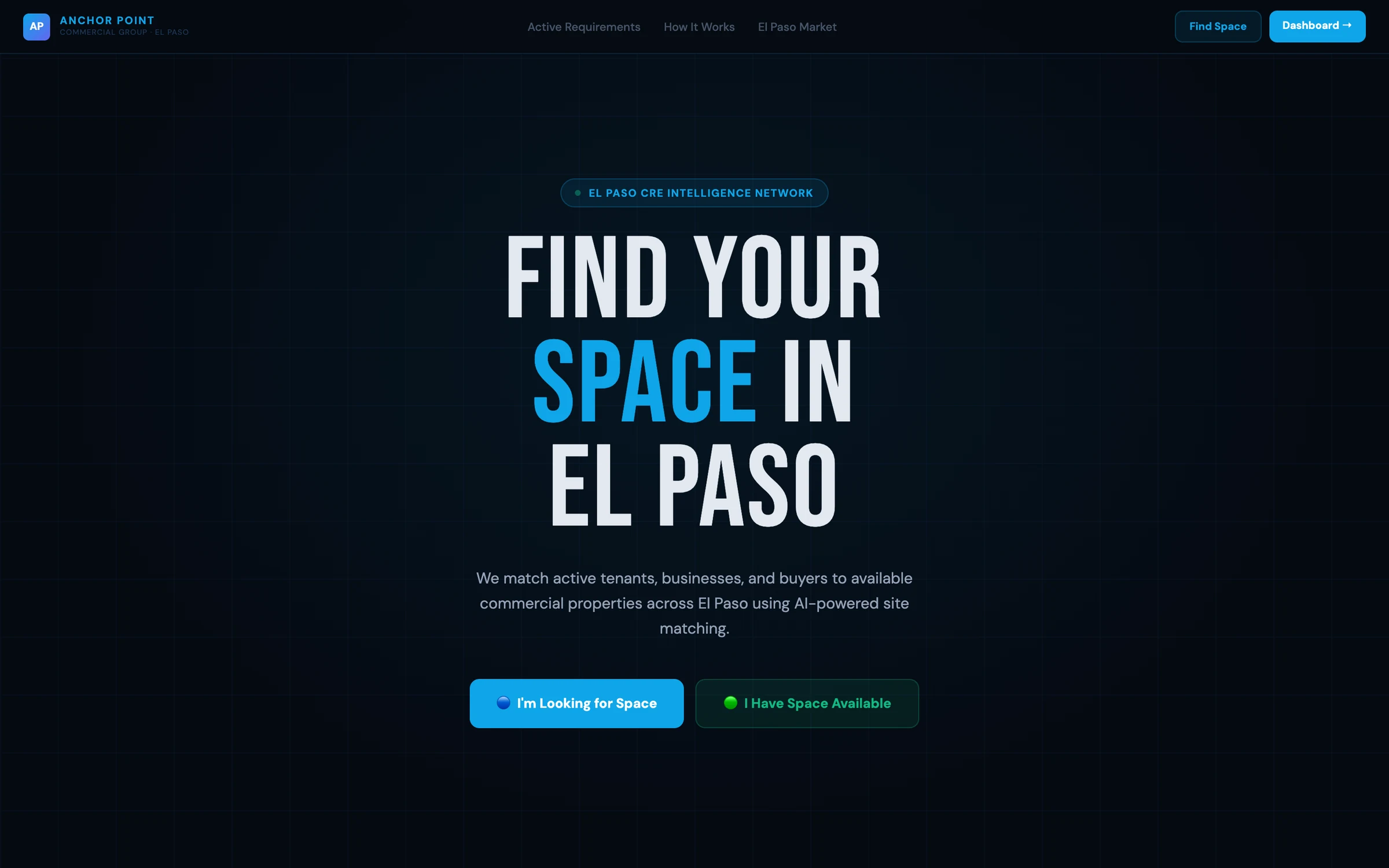
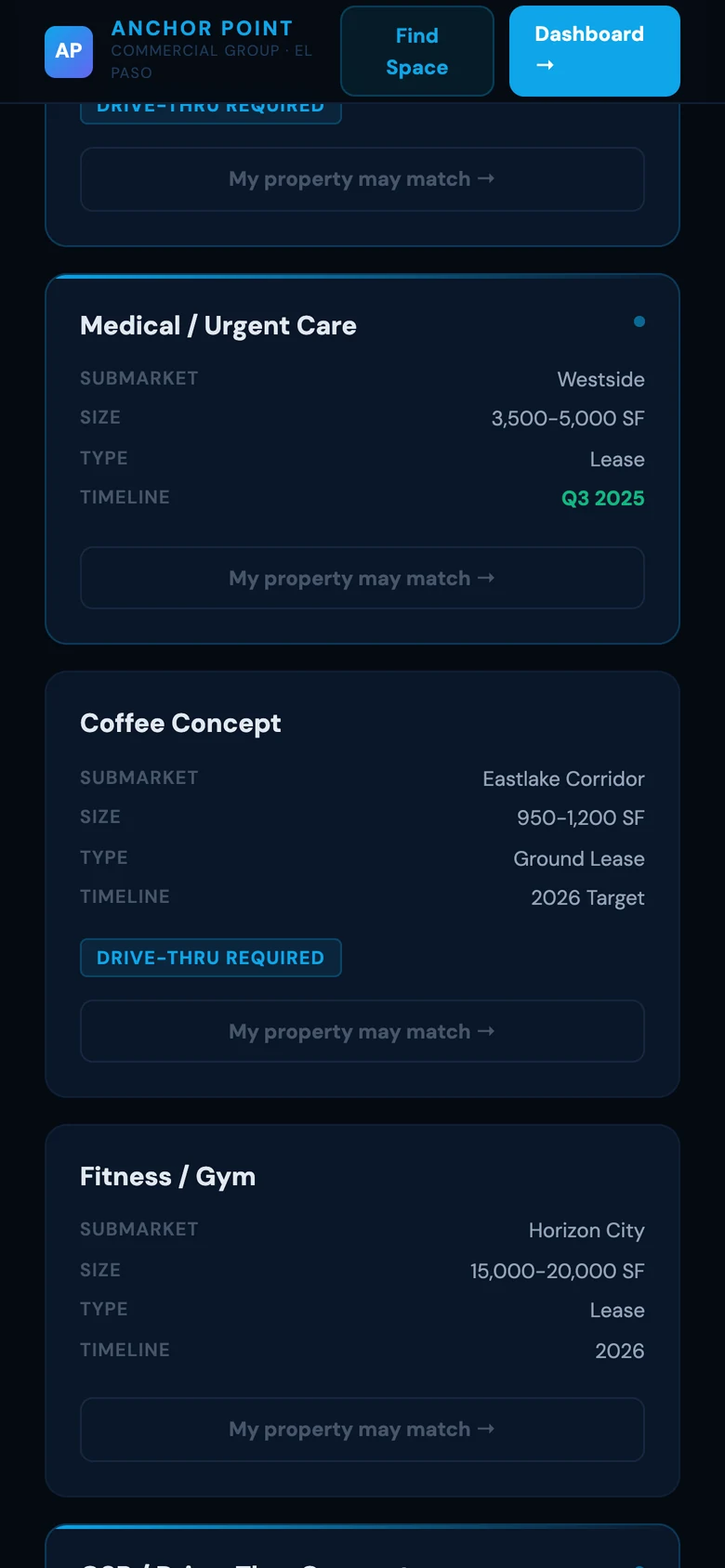
Eight live products across real estate, construction, healthcare, manufacturing, automotive and consumer brands. Every one can be opened and checked.
Seven stages. Each one ends with something in your hands and a decision that is yours to make.
The process in detailGreat products are rarely built by one person. They are built when people with different expertise care about the same outcome.
Decide what is worth building and keep every release tied to a business goal.
Turn requirements into flows, interfaces and systems people understand without a manual.
Design the architecture and write the software that the whole product stands on.
Work out where intelligence genuinely helps, then build and evaluate it.
Build for iOS and Android, where the product meets people's hands.
Teach software to read images, video and documents reliably.
Try to break it before your customers can, on the devices they actually use.
Keep scope, schedule and communication honest, so there are no surprises.
Technology is the easy part to describe. What matters is understanding the business it has to work inside.
We choose technology for the problem, the team that will own it and the years it has to last. Frameworks change. Structure, tests and clear decisions do not.
The people who scope your product are the people who build it. No agencies to coordinate, and nothing lost between design, engineering and AI.
We ask what has to change for your customers before we ask what to build. Every feature is judged against that.
Architecture is chosen for the product you intend to have, not only the one launching next quarter.
With AI and computer vision specialists in-house, we know where intelligence adds real value. We will also tell you where it does not.
Reviewed code, tested releases, documented decisions. They are what keep software dependable long after the launch party.
The last stage of our process is Evolve, because the most useful work often starts once real people are using the product.
A website can say anything. Here are three ways to find out how we work before you commit to a thing.
No brief required, just your questions. Pick who you would like to talk to.