02 Layout
03 Insert
Lumashape
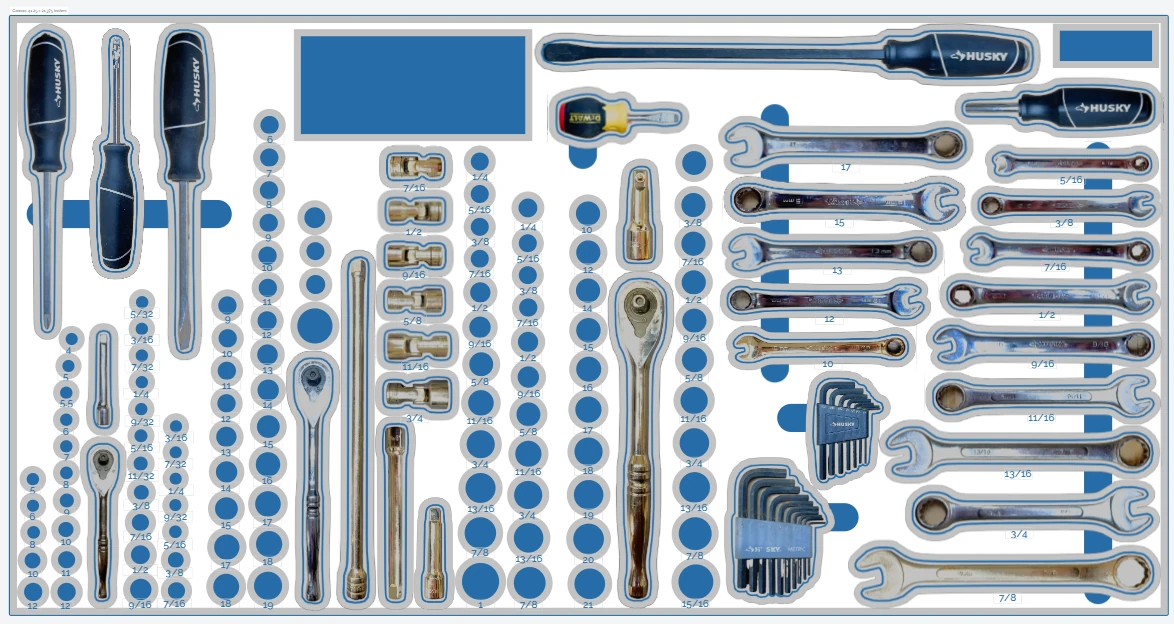
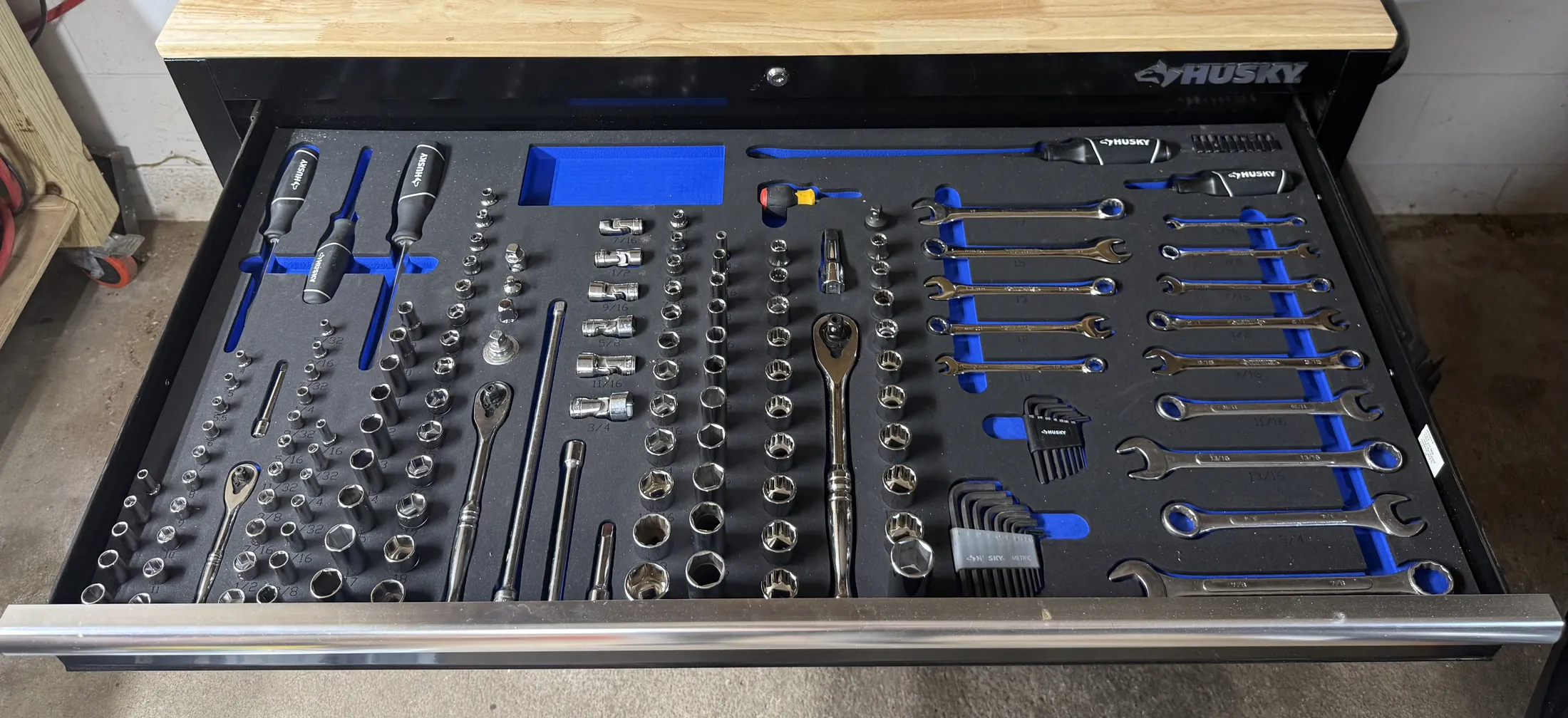
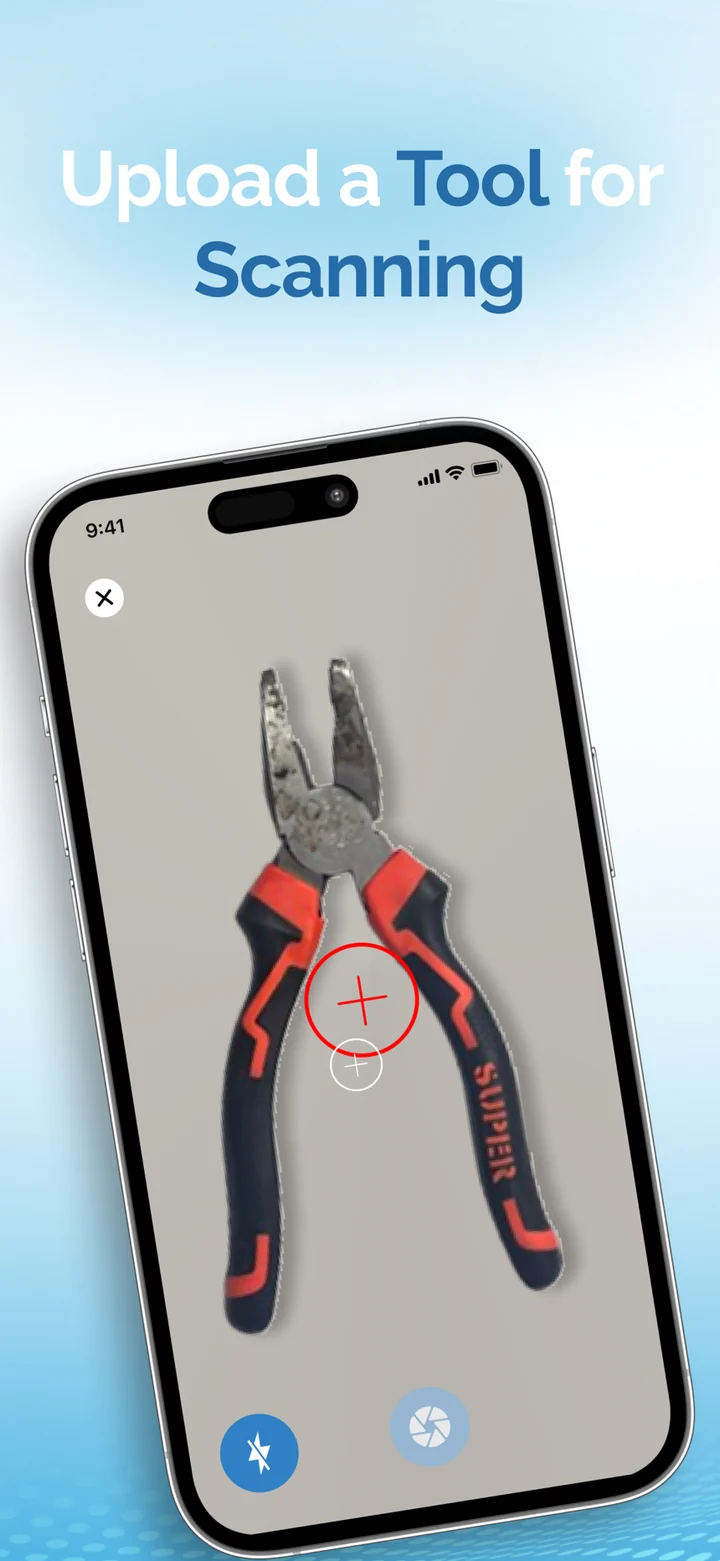
A connected system that turns a phone photo of a tool into a precisely cut foam insert.
Cameras, scans and documents turned into structured information your operation can act on, tested against your real images.
One photograph of a conveyor, and the four things software has to do with it. Step through, or lift the layers apart.
Most systems combine two or three: detect, then measure; read, then check.
That is the only question that matters, and it is answered by looking, not by promising. Six things decide it.
Consistent lighting does more for accuracy than a bigger model. Glare, shadow and dusk are tested for, not hoped away.
What the camera can see decides what the software can know. Sometimes the right fix is moving the camera.
A defect has to cover enough pixels to exist. We work back from the smallest thing you need to catch.
Clean samples prove little. The awkward images, the ones your staff argue about, are the ones that matter.
A few hundred representative images can prove feasibility. Production accuracy comes from covering the edge cases.
Someone has to say what correct looks like. If two experts disagree about an image, the model will too.
A guided photo flow, a fixed camera or a scanner. Good capture is half the accuracy.
Trained and tested on your images, against a target agreed with the people who rely on it.
Uncertain results go to a person. Their corrections are kept, and the system improves.
The decision lands in the software your operation already runs. That is where it becomes useful.
Computer vision development at SOLOGEN means building software that interprets images and video: detecting and locating objects, segmenting them, inspecting for defects, tracking movement, taking measurements and extracting data from documents, then connecting the result to the systems that act on it.
In a phone or tablet app. Instant, works offline, and the image never leaves the hand that took it.
On a small computer beside the camera. For production lines and sites with poor connectivity.
For heavier models, large batches and central review. Simplest to update and to scale.
The logic, APIs and integrations behind the interface.
The backend carries your business rules. A well-structured one makes new features cheap and keeps the product stable when usage climbs.
The parts of a product that read, see, predict and decide.
AI choices affect accuracy, running cost and how much you depend on a single provider. We choose for the task and keep the option to change.
Where the product runs, scales and recovers.
Infrastructure decides reliability and running cost. We fit the platform to your scale, your team and any systems you already use.
Usually by looking at a sample of your real images. Send a few dozen, including the awkward ones, and a vision specialist will tell you what looks feasible, what would need testing and what would be hard.
Less than people expect to start and more than they expect to finish. A few hundred representative images are often enough to prove feasibility. Production accuracy depends on covering the edge cases, which we collect deliberately.
That depends on the images and the task, so we do not quote a figure before testing. What we do is agree a target with the people who rely on the result, based on what a miss actually costs, and measure against it.
Either. On-device and at-the-edge models suit low latency, poor connectivity or sensitive images. Cloud suits heavier models and central review. The choice is made during planning.
Yes. A model is one part. Our web, mobile and design teams build the capture flow, the review interface and the integrations that turn it into a working system.
The fastest route is a conversation with a vision specialist. Bring a description of what you need the system to see and, if you can, some example images.