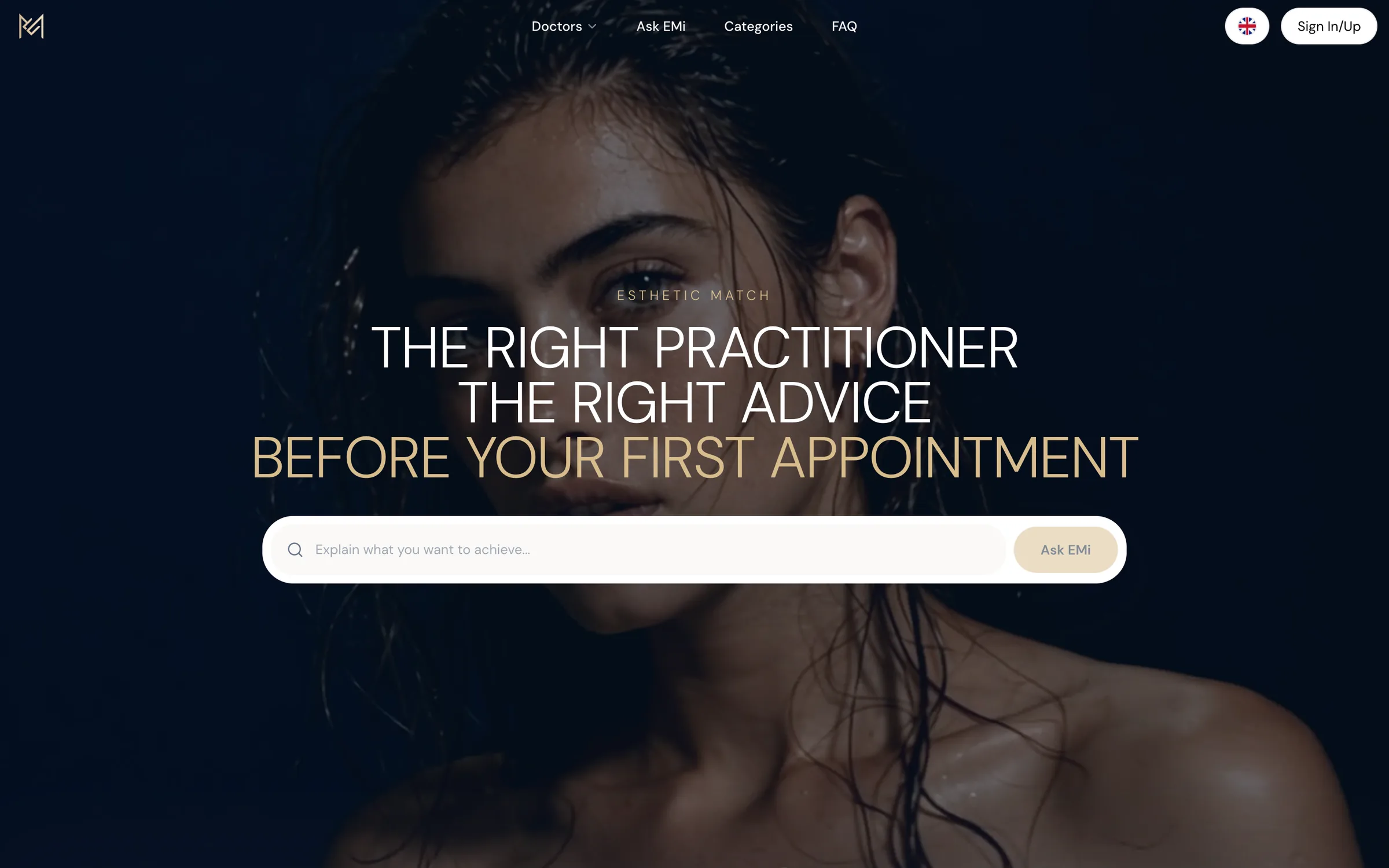
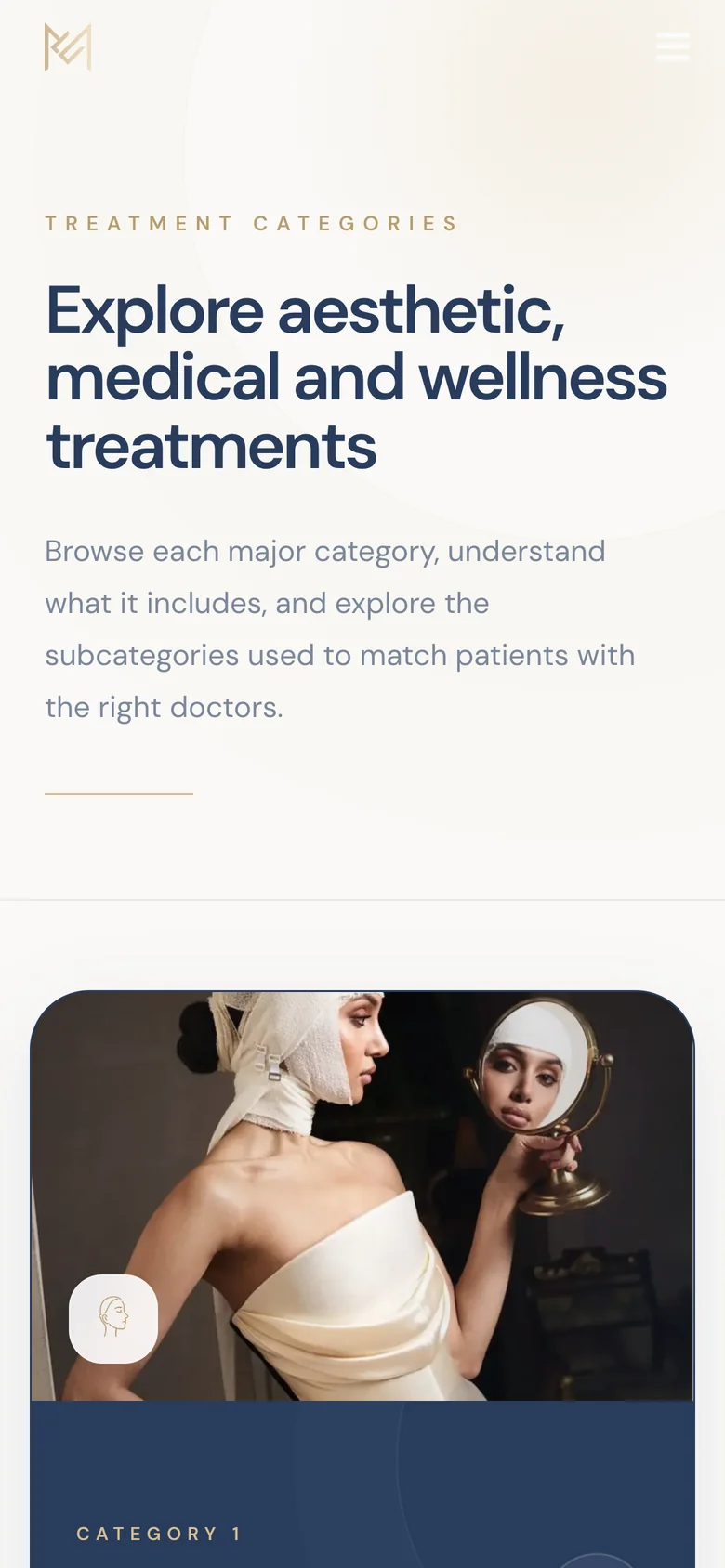
Esthetic Match
A platform that helps patients understand aesthetic treatments and find the right practitioner before a first appointment.
Healthcare runs on information that is scattered, sensitive and urgent. We build products that bring it together and take administrative work off the people delivering care.
Records, results and schedules sit in separate systems, so staff re-enter data and patients repeat themselves.
Scheduling, intake and documentation are still largely manual, and every minute spent on them is taken from care.
Privacy, access control and auditability are requirements from day one, not features to add later.
Scans and photographs are produced faster than specialists can look at them, creating queues and delay.
Common products in this sector, and the discipline that leads each one.
Appointments, records and communication in one place patients can actually use.
Mobile products for remote consultations, monitoring and follow-up.
A single operational view assembled from the systems a team already runs.
Vision systems that prioritise and annotate images to support specialist review.
Referrals, forms and reports read automatically and filed as structured data.
General guidance, not legal advice. The specifics for your organisation are settled with you during Discover.
Health data is regulated differently in each market (HIPAA in the United States, GDPR in Europe, local rules elsewhere). Which apply to you decides where data lives, who can see it and what is logged, so it is settled before the first screen.
A new product is only useful if it exchanges data with the record, scheduling and lab systems already in place. Budget for that early: standards such as HL7 and FHIR help, but every installation differs.
Image analysis and document reading are built to prioritise and pre-fill, with a person confirming the result. Anything that would count as a medical device brings its own approval path, which needs to be known up front.
We design for the rules that apply to you: access control, audit trails, encryption and data residency are architectural decisions made at the start. We do not claim certifications on your behalf; tell us which frameworks you answer to and we will build to them with your compliance lead.
Usually, yes. It depends on what those systems expose. We review the integration options during Discover, before committing to a scope that depends on them.
Most often in triage and paperwork: ordering a queue of images so specialists see urgent ones first, and reading referrals, forms and reports into structured data. In both cases a person reviews the output.